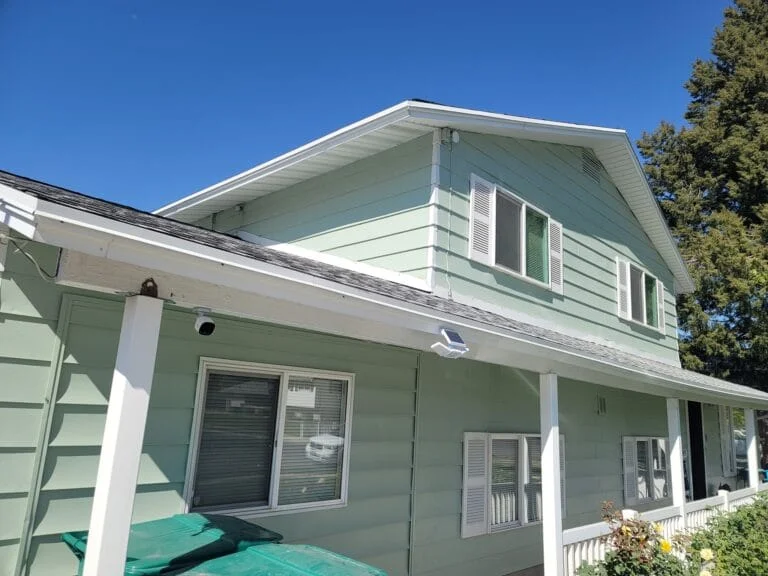

- ● A solid exterior paint job in Utah lasts about 5–10 years
● Utah’s high-elevation UV and big temperature swings are the main reasons paint wears out early.
● Lifespan varies by siding: aluminum ~5 yrs, wood 5–10, stucco 5–15, brick 15–20
● Watch for early warnings —peeling, chalking, fading, bubbling, and failing caulk — before full failure.
● Prep and product beat brand name — clean, prime, and two coats of quality acrylic latex last longest.
So, how long does exterior paint last in Utah? For most homes, a solid exterior paint job lasts about 5–10 years. That range depends on your siding type, your previous paint job, and how much sun and weather your house takes.
Utah can be tough on the home’s exterior. High elevation means stronger UV. Temperature swings stress caulk and seams. And wind-driven rain or snow can find weak spots. If you want a reliable life expectancy, you need to look at the surface, the prep, and the product—not just the calendar.
The quick rule: how often to repaint in Utah
A good rule for how often to paint house exterior in Utah is every 5–10 years. Some homes need paint sooner. Others go longer with great prep and the right coating.
If you’re asking when to repaint house exterior, don’t wait for total failure. Catch the early signs and you can avoid bigger repairs like wood rot or widespread peeling.
The industry benchmark matches what Utah homeowners see: “a well-applied coat of acrylic exterior paint generally lasts 5-10 years,” but color choice bends that curve — darker hues absorb more sun and fade faster, sometimes needing a fresh coat years ahead of lighter shades on the same wall.
— Source: Today’s Homeowner, “How Long Does Exterior Paint Last?”
Why Utah paint doesn’t “last the same” on every home
Exterior paint longevity comes down to a few various factors:
- Climate: Utah’s harsh climates (hot sun, cold nights, snow) create more expansion and contraction. That can lead to cracks and failing caulk.
- Sun exposure: Direct sunlight and intense sun break down binders, causing fading and chalking. Dark colors absorb more heat and can fade faster.
- Moisture damage: Snow sitting against siding, sprinklers hitting one spot, or poor drainage can cause blistering and bubbling paint.
- Materials: Different materials hold paint differently. Wood siding, stucco, brick, and aluminum siding don’t age the same way.
- Paint quality and prep: Paint quality, proper surface preparation, and application techniques often matter more than brand name alone.
Typical lifespan by siding type (Utah averages)
These aren’t guarantees, but they’re helpful for planning a full repaint:
- Aluminum siding: often around 5 years before noticeable wear, depending on sun and prep.
- Wood siding: commonly 5–10 years when done right, but can be shorter if moisture gets in or paint wasn’t sealed well. (If you see bare wood, it’s time to act.)
- Stucco: often 5–15 years, depending on coating choice and how well cracks are sealed.
- Brick: can go 15–20 years with a high-quality system and stable masonry, though shorter spans happen if moisture or prep issues exist.
In other regions—like coastal homes with salt spray or parts of New England with heavy freeze-thaw—paint can fail for different reasons. Utah’s main enemies are UV, big temperature shifts, and localized moisture.
Signs your exterior paint is failing (don’t ignore these)
If you’re walking the exterior of your home and notice any of the signs below, your paint is nearing the end of its “paint lasts” window:
- Peeling paint or peeling at edges and trim
- Chalky residue on your hand when you rub the wall
- Visible fading or uneven color (often a sun-driven aesthetic issue)
- Bubbling paint or blisters (often points to trapped moisture)
- Gaps or shrinkage in caulk and especially failing caulk around windows and joints
- Soft wood, swelling, or early wood rot
- Mildew spotting or mildew growth (less common in Utah than humid states, but it happens in shade or near sprinklers)
These problems often show up first on south- and west-facing exterior walls, where the sun hits hardest.
Walk your south- and west-facing walls first — that’s where Utah’s sun does its worst, and where fading, chalking, and caulk failure almost always show up before the shaded sides.
What makes one exterior paint job last longer than another?
A long-lasting exterior house painting result is usually about process, not luck.
1) Proper preparation (the real durability upgrade)
Proper preparation is the foundation. That includes cleaning, scraping, sanding, repairing damage, and sealing joints. If prep is rushed, you can get uneven coverage, early peeling, and weak adhesion.
2) Priming matters (oil vs. water-based primer)
Using the right primer is key for adhesion and stain control:
- An oil based primer can be useful on certain stained woods or tannin-heavy areas.
- A water based primer (often acrylic) is common for many exterior systems.
Either way, priming bare spots and repaired areas helps your topcoat bond and wear evenly.
3) The right paint and multiple coats
Using the right paint for the surface and applying enough film build matters. Many pros lean toward 100% acrylic latex for strong UV resistance and flexibility in Utah conditions.
A quality paint system often means at least two finish coats to build a more durable finish, especially on high-exposure areas.
Independent testing points to why a quality system matters most in a freeze-thaw state: “cracking resistance is the critical attribute for exterior paints” because cracks expose siding to water — and top-rated paints resisted cracking, fading, and mildew through a test simulating nine years on a wall.
— Source: Consumer Reports, “Best Exterior Paints From Consumer Reports’ Tests”
Maintenance that extends exterior paint longevity
You don’t have to repaint just because time passed. Smart regular maintenance can add years:
- Inspect exterior surfaces once a year for gaps, cracks, and failing caulk.
- Lightly wash or pressure wash annually to remove dirt and buildup (and reduce mildew risk).
- Fix small caulk failures early so water can’t get behind the paint film.
- Keep sprinklers off siding and trim.
That kind of upkeep protects your curb appeal and reduces repair costs later.
When to avoid painting in Utah
Timing affects results. Avoid painting when:
- It’s too cold (below ~50°F for many coatings)
- It’s too hot (above ~90°F can dry paint too fast)
- Wind is strong or dust is blowing
- Rain or snow is likely before the coating cures
Even top products can fail if they cure in the wrong conditions. Painting in shade when possible can also improve flow and reduce lap marks.
Should you hire professional painters?
If you’re dealing with high walls, lots of trim, or repair work, professional painters can be worth it. They’ll spot moisture entry points, recommend the correct primer, and follow proven application techniques for your siding type.
For Utah-specific exterior painting, SwiftHand Painting helps homeowners plan repaint timing, prep correctly, and get a finish designed to last.
Product choice is where a pro earns the decade: a self-priming acrylic latex like the premium lines “is designed to resist cracking, blistering, and peeling,” and its high acrylic-solid content flexes with Utah’s temperature swings instead of splitting — but even the best paint still needs sound prep beneath it.
— Source: Bob Vila, “The Best Exterior Paints, Reviewed”
“In Utah, the sun and the freeze-thaw cycle are relentless, so we build every exterior job to survive them — we check the caulk and the wood for moisture entry, prime the bare and repaired spots, and lay down two coats of a quality acrylic system. Done right, that’s the difference between repainting in five years and repainting in ten.”
— The team at SwiftHand Painting, Salt Lake City, UT
Ready to plan your repaint? Contact SwiftHand Painting for a free estimate and a finish designed to last.