
When customers walk into your space, they take in the walls before they look at anything you’re selling. But the effect paint has on customers isn’t about finding one magic color. Research suggests color does shape first impressions, and the condition of the walls matters at least as much.
What Research Says About Color in Commercial Spaces
The evidence is real but narrower than most “color psychology” articles suggest.
- In a frequently cited 1992 study in Psychology & Marketing, Bellizzi and Hite found that shoppers shown a blue store environment made more simulated purchases and postponed fewer decisions than shoppers shown a red one.
- A 2022 study in Frontiers in Psychology found that blue walls made a retail space feel more spacious than red walls, and that sense of space raised purchase intention.
Both were controlled studies in specific settings, not proof that blue walls lift sales everywhere. The practical takeaway is a general tendency: lighter, cooler colors tend to read as calm and spacious, while warm, saturated colors read as energetic. A quick-service counter and a medical waiting room want different things, and your brand has to fit either way.
Condition Matters More Than Hue
Scuffed corridors, chipped door frames, patchy touch-ups and a faded feature wall all tell customers that upkeep isn’t a priority, whatever the color. Researchers use the term “servicescape” for the physical setting a service happens in, and it shapes how customers judge the service itself. A clean, consistent finish in an ordinary color usually does more for you than a perfect color on tired walls.
Using Brand Colors Well
- Match from the spec. Give your painter your brand’s official color codes. They can be matched in paint and then confirmed with a sample on your wall.
- Test under your own lighting. Store and office LEDs shift how colors look. A brand color that’s right on screen can look off on a wall.
- Use full-strength color sparingly. One feature wall, a reception wall or a signage wall carries a brand better than saturated color everywhere, and it’s easier to keep looking fresh.
- Watch sunny walls. Bright reds and yellows fade faster than other colors near windows. Our post on why paint fades explains why.
- Keep records. Note the exact color, product and sheen of every wall so touch-ups match.
Finishes for Commercial Spaces
| Space | What matters most | Typical finish |
|---|---|---|
| Retail sales floor | Durability and color accuracy | Scrubbable eggshell or satin |
| Restaurant dining room | Cleanability and atmosphere | Satin walls; semi-gloss trim and doors |
| Offices and reception | Low glare, professional look | Eggshell or matte |
| Healthcare waiting rooms | Washability; low odor during work | Scrubbable eggshell or satin |
| Corridors and stairwells | Scuff and impact resistance | Satin walls; semi-gloss doors and frames |
Signs It’s Time to Repaint
- Marks and scuffs that no longer wash off
- Touch-ups that show as patches
- Brand or accent walls that have faded
- Outlines left on walls where fixtures or signage were removed
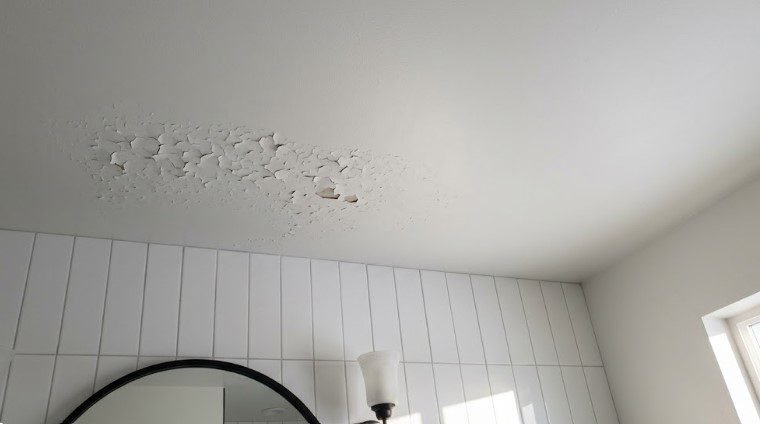
- Water stains (fix the leak first)
- A rebrand, new tenant or new layout
Repainting Without Disrupting Business
A commercial repaint shouldn’t mean closing. Work can be phased zone by zone so most of your space stays open, low-odor coatings can be used in occupied areas, and the schedule should be agreed in writing before anyone starts. Our commercial interior painting page explains how we plan around your operations, and our commercial painting page covers the other services we offer businesses.
Ready for a Fresh Coat?
Our Salt Lake crews do the prep most painters skip, so the finish lasts. Every job is backed by a 9-year craftsmanship guarantee.
- 9-year guarantee
- Licensed, bonded & insured
- on Google
Frequently Asked Questions
Does wall color really affect customers?
Research suggests it can. In controlled studies, shoppers responded more favorably to blue settings than red ones and saw blue spaces as more spacious. The effects depend on context, so brand fit, lighting and the condition of the walls matter as much as the hue.
What paint finish is best for a commercial interior?
Eggshell or satin for most walls, because they wash well without much glare. Semi-gloss suits doors, frames and trim. High-traffic corridors benefit from scrubbable formulas.
How often should a business repaint its interior?
There’s no fixed schedule. High-traffic retail and restaurant spaces need attention much sooner than private offices. Repaint when marks no longer wash off, touch-ups show or brand colors have faded.
Can you paint while we’re open?
Usually, yes. Work is phased by zone so most of the space stays usable, low-odor coatings are used in occupied areas, and the schedule is agreed in writing before work starts.
How do you match our brand colors?
Send your brand’s color specifications. Colors are matched in paint, then checked with a sample on your wall under your lighting before the full space is painted.