
Lead safe painting is a set of work practices that keeps old lead paint from turning into dust while a painter preps an older home. You need it when three things line up: the house was built before 1978, someone is being paid to do the work, and the job disturbs existing paint.
That year matters because lead was taken out of house paint in 1978. EPA estimates that roughly three-quarters of U.S. homes built before then still contain some lead paint, and the older the house, the higher the odds. The danger isn’t the paint on the wall. It’s the dust that scraping and sanding put into the air and onto floors, where kids crawl and play.
Three Things Decide Whether the Rules Apply
What is lead safe painting and do I need it on a house built in 1958? If you’re hiring a painter, almost certainly yes. Under EPA’s renovation rule, paid contractors who disturb paint in pre-1978 homes, child care facilities and preschools generally have to be certified and follow lead-safe practices. Homeowners working on their own house generally aren’t covered, unless they rent out all or part of it, run a child care center in it, or buy, fix up and sell homes for profit. Either way, the dust is just as harmful no matter who makes it.
A fresh coat over sound paint, with no scraping or sanding, doesn’t disturb anything. Real jobs almost always involve some prep, though, especially on windows and trim. That’s why scraping old chips on a pre-1978 house is work you’d leave to a certified painter.
Utah Lead Paint Rules for Painters Run Through the State
Utah is one of the states EPA has authorized to run its own program, through the Department of Environmental Quality’s Division of Air Quality. Utah’s lead program certifies the firms and individuals who do renovation, repair and painting work for pay, and its rules follow the federal ones. In Utah, the state’s Lead-Based Paint Program certifies firms for this work, and we’re certified through it.
How to Check a Painter’s Lead Safe Certification Before You Hire
Ask for two things: the firm’s certification and the name of the certified renovator who will be on your job. Then look the firm up on the list of certified lead-based paint firms the state publishes. A painter doing this right will also hand you a lead hazard pamphlet before work starts. If the answers come back vague, that tells you something.
A Lead Test Before Painting an Older Home Settles the Question
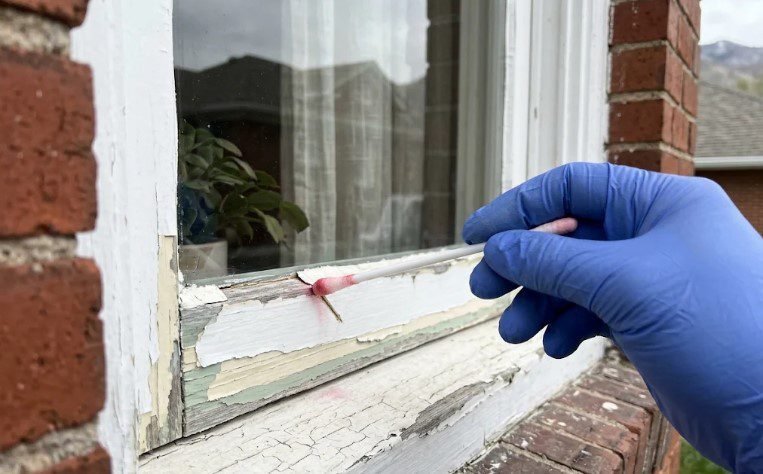
Unless testing shows the surfaces being disturbed are lead-free, a certified painter treats the paint as if it contains lead. A swab test on each surface is the quick check. For a whole-house answer, a certified inspector can test every room.
A good example is a home in Ogden where the owners wanted their window sills scraped and repainted before winter. Along one chipped edge we could see white, cream and green layers, and when we ran a swab test, the tip turned pink. From there, every painted surface on those windows was handled as lead. Sills like these are where we find it most often on older house exteriors.
Lead Safe Work Practices During Painting Start With Plastic
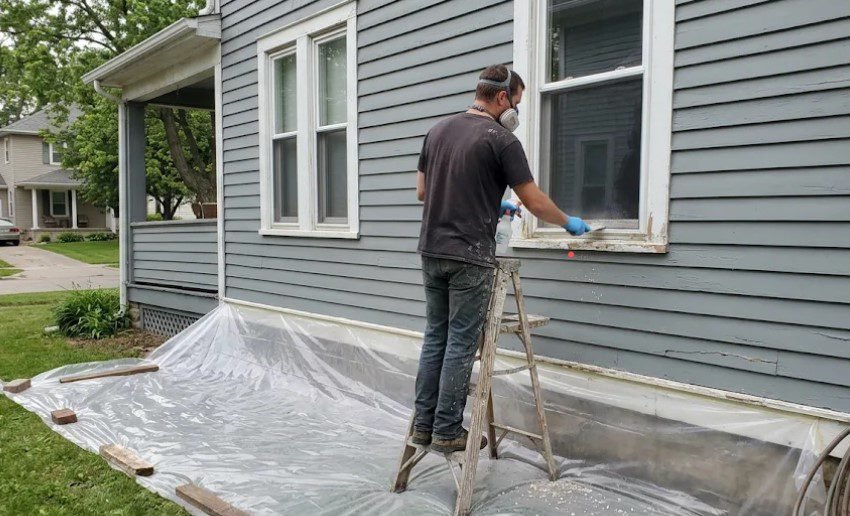
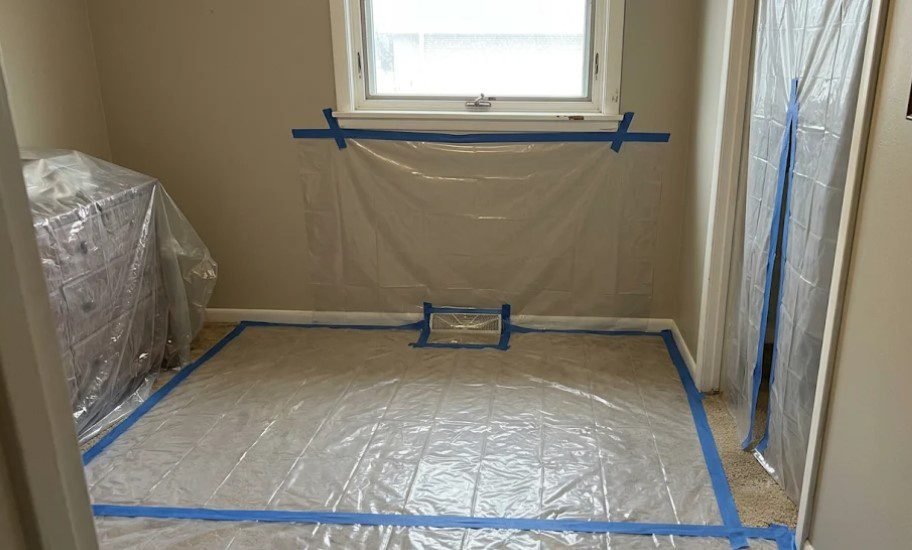
Containment keeps dust inside the work area. That means plastic on the floor, sealed doorways, covered vents, warning signs, and furniture moved out or wrapped. Surfaces get misted before scraping, and old paint is never dry-sanded or burned off.
All of that is why one window in a Provo home took a morning of setup before anyone opened a can of paint. We taped plastic across the floor and up the wall under the window, sealed the closet doorway, covered the floor vent and wrapped the dresser before any prep began.
Lead Paint Dust Cleanup After Painting
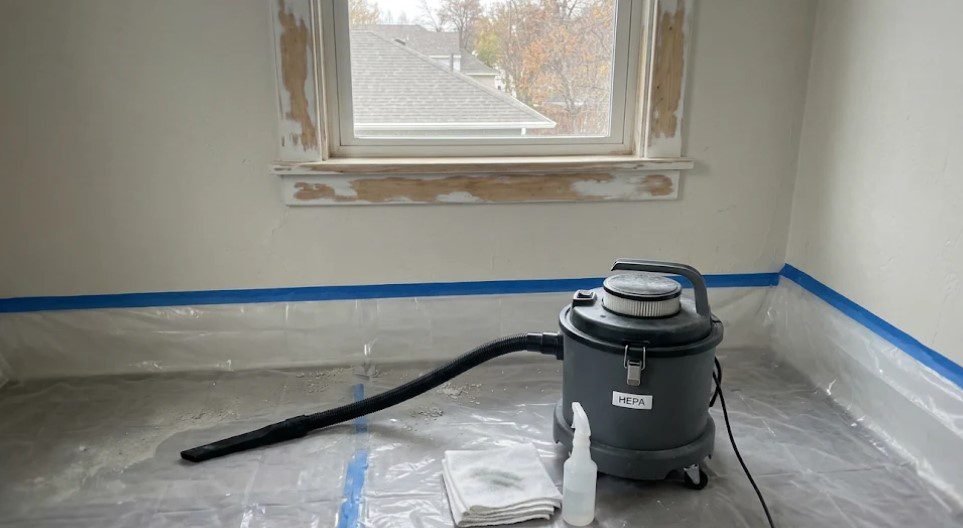
Lead dust is too fine to see, and sweeping or an ordinary vacuum just spreads it around. Cleanup uses a HEPA vacuum and damp cloths, top to bottom, and finishes with a cleaning check: each surface gets wiped with a disposable cloth that’s compared to a card before the plastic comes up.
FAQ
Can I just paint over lead paint?
If the old paint is sound and nothing gets scraped or sanded, a new coat can cover it. Peeling or chipping areas still need careful prep first, because loose paint is where the hazard starts.
Is this the same as lead removal?
No. Removal, called abatement, permanently gets rid of the hazard and needs a separate certification. Lead-safe painting controls dust while prepping and painting, without stripping away all the old paint.
Does it cost more?
Usually somewhat, because testing, containment and the extra cleanup add time and supplies. On most window and interior jobs, it shows up as its own line in the estimate, so you can see what it covers.
Should my family stay home during the work?
Young children and anyone pregnant are best kept out of the work area until cleanup is finished and checked. Many families plan around the rooms being worked on, or stay elsewhere for those days.
How do I find out when my home was built?
Your county’s property records list the year built, and so do most home sale papers. If the house was remodeled later, original windows and trim can still be older than the rest.
Ask Before Anyone Picks Up a Scraper
If your home is older than 1978, ask every painter about testing, certification and cleanup before you sign anything. The answers will tell you more than the price does. If you’d like to go over your own house, reach our office and we’ll start with the year it was built.