
We paint houses for a living, so you’d expect us to say “hire a pro.” But some exterior jobs are perfectly reasonable to do yourself, and some go wrong in ways that end up costing more than hiring would have. Here’s an honest comparison.
DIY vs. Professional at a Glance
| Factor | DIY | Professional |
|---|---|---|
| What you pay for | Paint, primer, caulk and equipment | Labor, materials and equipment in one written price |
| Time | Usually several weekends for a whole house | 3 to 7 days for a typical house |
| Equipment | Buy or rent ladders, a sprayer, scrapers and drop cloths | Supplied by the crew |
| Working at height | You, on a ladder | A trained crew covered by workers’ comp |
| Pre-1978 homes | Federal lead rules don’t apply to you, but the dust risk does | Contractor must be EPA lead-safe certified |
| Prep quality | Depends on your patience | Depends on the contractor, so ask what’s included |
| Warranty | None | In writing (ours is nine years) |
| Scheduling | Around the weather and your weekends | Booked into the season, often well ahead |
When DIY Makes Sense
- A single-story house you can reach safely from a step ladder or short extension ladder
- Paint that’s sound: some fading, but no widespread peeling or bare wood
- A house built in 1978 or later, so no lead-paint concerns
- Smaller jobs: the front door, shutters, a fence or touching up trim
- Time to work across several dry, mild weekends in season
When Hiring Usually Pays Off
- Two stories or more, or steep ground around the house
- Peeling, cracked or heavily chalking paint, or rotted trim
- A pre-1978 home where paint will be scraped or sanded
- Stucco crack repair or a sprayed finish
- An HOA deadline or a listing date
- A short window. Utah’s exterior season runs roughly from spring to early fall. See the best time to paint a house exterior in Utah.
The Real Cost of DIY
The paint is the cheap part. A whole-house DIY job usually also means buying or renting an extension ladder, a sprayer or several rollers and brushes, scrapers, caulk, primer, masking supplies and drop cloths, and buying more paint than you expected.
The bigger cost is time. Prep is most of the job: washing, scraping, sanding, caulking, priming bare wood and masking windows. It usually takes longer than the painting itself, and it’s the part DIY projects most often rush.
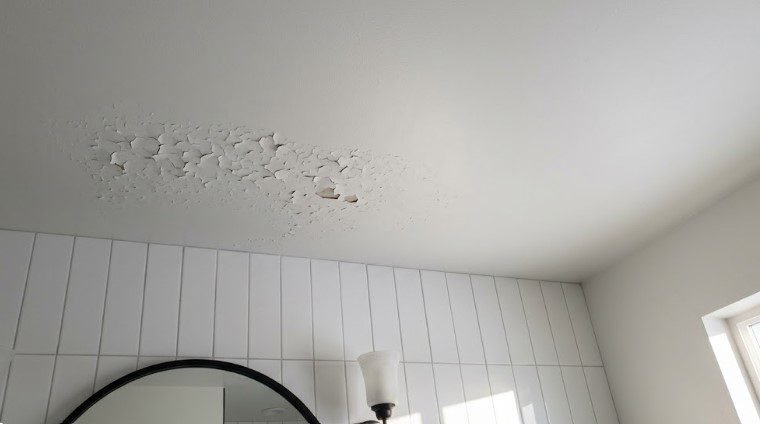
Rushed prep is also where DIY gets expensive. Painting over chalk, painting in direct afternoon sun or skipping primer on bare wood leads to peeling, and you pay to strip and redo it a few years later.
For a sense of professional pricing here, see our exterior painting cost guide.
Safety: The Part Most People Underestimate
Most DIY exterior injuries involve ladders: extension ladders on uneven ground, overreaching to finish a section, climbing with a full paint bucket. If you do it yourself:
- Set the base about one foot out from the wall for every four feet of height.
- Keep three points of contact while climbing.
- Move the ladder instead of reaching. Your belt buckle should stay between the rails.
- Stay off the top rungs.
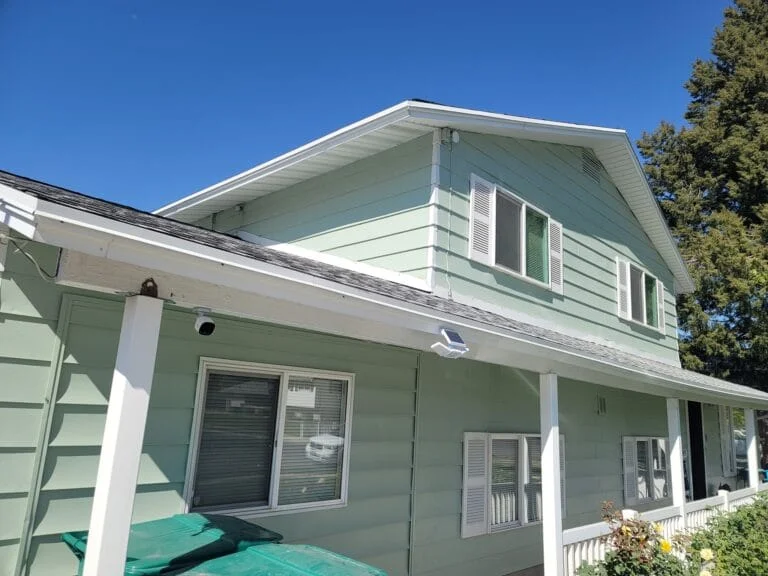
If any part of the job is above a single story, that’s usually where hiring starts to make sense.
Lead Paint in Older Homes
Homes built before 1978 may have lead-based paint under newer layers. The EPA’s lead renovation rule generally doesn’t apply to homeowners working on their own homes, but it does require contractors who disturb paint in pre-1978 homes to be lead-safe certified.
Being exempt from the rule doesn’t make the dust any less harmful. If you’re scraping or sanding an older house yourself, especially with children around, test first and contain the dust. SwiftHand is EPA RRP certified and lead-certified through the Utah Division of Air Quality.
If You Decide to Hire
Get two or three written quotes and compare them line by line: prep, products, number of coats and warranty. The lowest number often just means the least prep. Our guide to hiring a painting contractor in Utah covers what to check, including how to verify a license in about a minute.
Our exterior painting page explains how we run a project.
Ready for a Fresh Coat?
Our Salt Lake crews do the prep most painters skip, so the finish lasts. Every job is backed by a 9-year craftsmanship guarantee.
- 9-year guarantee
- Licensed, bonded & insured
- on Google
Frequently Asked Questions
Is it cheaper to paint your house yourself?
In cash, yes, because you’re not paying for labor. But equipment, extra materials and redoing work when the prep isn’t right narrow the gap, and DIY takes far more of your time. On a single-story house in good shape, DIY can make sense. On a two-story house with peeling paint, it rarely saves as much as people expect.
How long does it take to paint a house exterior yourself?
For most people working weekends, a whole house takes several weekends, and the prep takes longer than the painting. A professional crew typically finishes a standard house in 3 to 7 days.
Do I need to worry about lead paint?
If your house was built before 1978, possibly. Test before you scrape or sand. Federal lead-safe rules don’t apply to homeowners working on their own homes, but contractors you hire must be EPA RRP certified.
Can I paint the trim myself and hire out the siding?
You can, though it’s harder to schedule because the crew has to work around you. Many homeowners do the reverse: hire out the full job and handle smaller items like the front door or a fence themselves.
What should a professional exterior painting quote include?
Surface prep broken out line by line, the specific products and number of coats, which repairs are included, how high areas will be reached, the schedule, proof of license and insurance, and the warranty terms in writing.