
Paint fades for two reasons. Sunlight breaks down the pigments that give it color, and it breaks down the binder that holds those pigments on the wall. How fast that happens depends on the color you chose, the quality of the paint and how much sun the wall gets. In Utah, that last part counts for more than in most places.
What Actually Happens When Paint Fades
Pigment breakdown. UV light breaks chemical bonds in some pigments. Organic pigments, used for bright reds, yellows and some blues, are the most vulnerable. Mineral-based (inorganic) pigments, which make whites, blacks, oxide reds, ochres and many earth tones, are far more stable. As Fine Homebuilding puts it, organic pigments fade faster and don’t cover as well.
Binder breakdown, or chalking. The binder is the resin that holds everything together. As UV and moisture wear it away at the surface, loose pigment is left behind as a fine powder. That’s chalking, and it makes color look washed out even when the pigment itself is fine. To check, rub a dark cloth across the wall. If it comes away coated in color, the paint is chalking.
Why Utah Is Harder on Paint
- Altitude. UV levels rise about 10% for every 1,000 meters of elevation, according to the World Health Organization. Salt Lake City sits roughly 1,300 meters up, so walls here take noticeably more UV than they would at sea level.
- Snow. The WHO also notes that fresh snow reflects UV strongly enough to nearly double exposure. Lower walls and trim take reflected UV in winter on top of direct sun in summer.
- Temperature swings. Hot summer afternoons and freezing winter nights make siding and trim expand and contract, which stresses the paint film over time.
The result is predictable: south- and west-facing walls fade first.
Which Colors Fade Fastest
| Color family | Usually made with | Fade risk |
|---|---|---|
| Bright reds, oranges, yellows | Organic pigments | High |
| Vivid blues and greens | Organic pigments, some quite durable | Moderate |
| Earth tones: tans, browns, oxide reds, ochres | Iron oxide pigments | Low |
| Whites and off-whites | Titanium dioxide | Low color loss, but can chalk |
| Blacks and charcoals | Carbon black and oxides | Low color loss, but absorb the most heat |
Most colors are blends of several pigments. If one of them fades faster than the others, the color doesn’t just get lighter. It shifts in hue, which is why some faded paint looks “off” rather than simply pale.
How to Make Exterior Paint Last Longer
- Use a quality 100% acrylic exterior paint. Interior paint used outdoors loses color quickly, and cheaper exterior paints often carry less binder relative to pigment, which hurts color retention.
- Go up a sheen. Paint maker Resene notes that chalking starts much later on a glossy 100% acrylic than on a low-sheen styrene-acrylic. Satin is a good compromise on siding. Flat hides surface flaws but chalks sooner.
- Choose lightfast colors for sunny walls. Save bright, saturated colors for the front door or small accents, where repainting is quick.
- Prep properly before repainting. Wash chalk off completely, because new paint doesn’t bond well to it. Scrape loose paint, prime bare wood and recaulk open joints.
- Paint at the right time. Applying paint in hot direct sun or near freezing affects how the film forms. Our guide to the best time to paint a house exterior in Utah covers the season month by month.
- Wash the house once a year. A garden hose and a soft brush remove dust and early chalk. Avoid pressure washing at close range, which can force water behind siding.
If you’re choosing new colors with fading in mind, our guide to choosing exterior paint colors walks through the process, and our list of exterior colors that hold up in Utah’s sun gives specific options.
Fading, Chalking or Failing?
- Fading only: The color is lighter but the paint is intact. It’s cosmetic. Repaint when you no longer like how it looks.
- Chalking: Powder comes off on a cloth. Wash it, and plan to repaint soon, because chalk weakens the bond for the next coat.
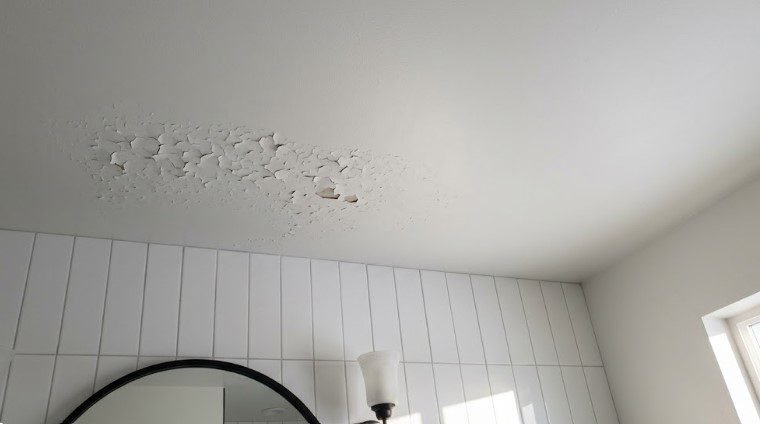
- Cracking, peeling or bare wood: The paint is failing. Repaint before moisture gets into the siding and trim.
Not sure which you’re looking at? We’ll take a look and tell you honestly whether it needs paint yet. Our exterior painting page explains our process, and our exterior painting cost guide covers pricing.
Ready for a Fresh Coat?
Our Salt Lake crews do the prep most painters skip, so the finish lasts. Every job is backed by a 9-year craftsmanship guarantee.
- 9-year guarantee
- Licensed, bonded & insured
- on Google
Frequently Asked Questions
Does all exterior paint fade?
Yes, eventually. The question is how fast. Quality 100% acrylic paint in a lightfast color fades slowly. Budget paint in a bright red or yellow on a sunny wall fades quickly.
Which exterior paint colors fade the least?
Earth tones, whites, off-whites and blacks, because they’re made largely with mineral-based pigments. Bright reds, oranges and yellows fade fastest.
Can faded paint be restored?
Not really. Washing removes chalk and can brighten the surface a little, but lost pigment doesn’t come back. If the paint is still sound, a new coat over clean, prepared paint restores the color.
Does paint sheen affect fading?
Yes. Glossier finishes resist chalking longer than flat finishes, so they hold their color appearance better. Satin is a common choice for siding because it balances durability with a softer look.
How often should a house in Utah be repainted?
It depends on the siding material, the paint, the prep and the sun exposure. South- and west-facing walls usually need attention first. Rather than going by the calendar, check every year for chalking, cracking and peeling.