
Choosing interior paint comes down to two decisions. The first is what the paint is made of, which decides how hard it dries, whether it yellows and what it will stick to. The second is how shiny it is. This guide covers the first. For the second, see our paint sheen guide.
The Main Types at a Glance
| Paint type | Best for | Strengths | Watch out for |
|---|---|---|---|
| 100% acrylic latex | Walls and ceilings | Dries fast, low odor, flexible, doesn’t yellow | Softer than enamel on trim and cabinets |
| Waterborne alkyd or urethane enamel | Trim, doors, cabinets | Cures hard, levels smoothly, water cleanup | Costs more; follow recoat times closely |
| Oil-based (solvent alkyd) | Stain-blocking primer, specialty jobs | Very hard, sticks to almost anything | Strong odor, slow drying, whites yellow over time |
| Specialty coatings | Bathrooms, kids’ rooms, feature walls | Mildew resistance, scrubbability, chalkboard or magnetic surfaces | Each one solves one problem; none is an all-rounder |
Acrylic Latex: The Standard for Walls and Ceilings
Most interior wall paint sold today is water-based latex. Within that category, 100% acrylic generally performs better than cheaper vinyl-acrylic blends. It’s more flexible, bonds better and keeps its color longer, so look for “100% acrylic” on the label.
Latex dries quickly, cleans up with soap and water, has little odor and doesn’t yellow. Its weak spot is hardness. On doors, trim and cabinet faces, ordinary wall paint can stay slightly soft for weeks, which leads to “blocking”: doors sticking to their frames and objects sticking to shelves.
Waterborne Enamels: For Trim, Doors and Cabinets
This is the category most homeowners haven’t heard of, and the one that matters most for woodwork. Waterborne alkyds and urethane-modified enamels go on and clean up like latex but cure much harder and level out smoother, closer to the look of traditional oil paint.
They’ve largely replaced oil-based enamel for trim and cabinets because they don’t share its biggest flaw. Sherwin-Williams, for example, describes its water-based urethane trim enamel as resisting yellowing compared with traditional oil-based coatings.
Oil-Based Paint: Mostly a Primer Now
Oil-based paint dries very hard, levels well, sticks to almost anything and blocks stains. The trade-offs are a strong odor, slow drying, cleanup with mineral spirits, and whites and pastels that yellow with age, particularly in rooms that get little daylight.
The old advice to use oil-based paint in kitchens and bathrooms is out of date. A quality acrylic with a mildewcide handles moisture well and won’t yellow. Our guide to the best mold-resistant paint for bathrooms covers what to look for.
Along the Wasatch Front there’s a regulatory reason too. Utah’s architectural coatings rule (R307-361) limits the VOC content of paint sold or applied in Box Elder, Cache, Davis, Salt Lake, Tooele, Utah and Weber counties: 50 grams per liter for flat coatings and 100 for non-flat coatings, measured before colorant is added. So most wall paint sold here is already low-VOC.
Primers: Which One You Need
Primer isn’t always necessary, but when it is, the type matters.
- New drywall: A drywall primer seals the paper and joint compound so the topcoat dries to an even sheen.
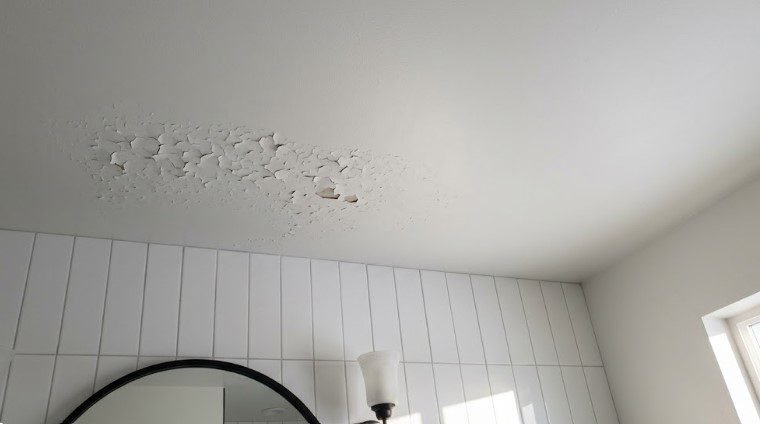
- Water stains, smoke, marker or crayon: A shellac- or oil-based stain-blocking primer. Water-based paint alone won’t stop these from bleeding through.
- Glossy or oil-painted surfaces: Scuff-sand, then use a bonding primer.
- Big color changes: A primer tinted toward the new color cuts down the number of finish coats.
“Paint and primer in one” products work well for repainting sound, previously painted walls in a similar color. They don’t replace a stain blocker or a bonding primer. Our guide to preparing walls for painting covers when each step is needed.
Specialty Paints Worth Knowing
- Mold- and mildew-resistant paint: Bathrooms, laundry rooms and basements.
- Scrubbable wall paint: Hallways, kids’ rooms and mudrooms, anywhere walls get washed often. Our guide to cleaning painted walls explains why scrubbability matters.
- Chalkboard paint: Usually needs several coats and “seasoning” with chalk before first use. Follow the label.
- Magnetic primer: Holds lightweight paper with strong magnets and typically needs several coats. You can paint over it with any latex color.
- Ceiling paint: Flat and formulated to spatter less when rolled overhead.
Quick Picks by Room
- Living rooms and bedrooms: 100% acrylic in matte or eggshell
- Kitchens: 100% acrylic in satin
- Bathrooms: Mold-resistant acrylic in satin
- Trim and interior doors: Waterborne enamel in semi-gloss
- Cabinets: Waterborne alkyd or urethane enamel, ideally sprayed. See our cabinet painting page.
- Ceilings: Flat ceiling paint
If you’d rather have someone else make these calls, our interior painting crews choose products room by room, and our free color consultation helps with the color side.
Ready for a Fresh Coat?
Our Salt Lake crews do the prep most painters skip, so the finish lasts. Every job is backed by a 9-year craftsmanship guarantee.
- 9-year guarantee
- Licensed, bonded & insured
- on Google
Frequently Asked Questions
Is latex paint the same as water-based paint?
Yes. “Latex” is the common name for water-based paint. Most of it today uses acrylic resins rather than actual rubber latex, and it cleans up with water.
Can you put latex paint over oil-based paint?
Yes, after prep. Clean the surface, scuff-sand the gloss and apply a bonding primer. Latex applied straight over glossy oil paint tends to peel or scratch off.
What is the most durable interior paint?
For trim, doors and cabinets, a waterborne alkyd or urethane enamel. For walls, a quality 100% acrylic in eggshell or satin is the most washable everyday choice.
Do I need primer before painting interior walls?
Not always. Sound, previously painted walls in a similar color usually don’t need it. New drywall, stains, glossy surfaces and big color changes do.
Is low-VOC paint as good as regular paint?
Generally, yes. Low-VOC formulas are standard now, and along the Wasatch Front, state rules limit VOC content for most paint sold. Performance depends on the product line, not the VOC number.