
Washing a painted wall is easy to get wrong. Scrub too hard on the wrong finish and you’ll leave a shiny patch that’s more noticeable than the mark you were trying to remove. The right approach depends mostly on one thing: how glossy your paint is.
Start With Your Paint’s Sheen
| Sheen | How washable | How to clean it |
|---|---|---|
| Flat / matte | Least washable. Scrubbing can polish it shiny | Dust, then dab marks gently with a damp sponge. Touch up rather than scrub |
| Eggshell | Moderately washable | Damp sponge, a little mild soap, light pressure |
| Satin | Washable | Mild soap and water |
| Semi-gloss / gloss | Most washable | Soap and water. Tolerates firmer scrubbing |
Not sure what you have? Look along the wall at a low angle toward a window. Flat paint shows almost no reflection; semi-gloss shows a clear one. Our paint sheen guide covers the differences in more detail.
Some newer matte paints are formulated to be scrubbable. If you still have the can, the label or the product data sheet will say.
How to Wash Painted Walls
- Dust first. Use a microfiber cloth or a vacuum brush attachment. Washing over dust turns it into streaks.
- Mix a gentle solution. Warm water with a few drops of dish soap handles most marks. Avoid ammonia, bleach and abrasive cleaners unless the paint maker says they’re safe.
- Wring the sponge out well. It should be damp, not dripping. Water running down a wall leaves drip marks and can soak into drywall seams.
- Work in small sections with light, circular strokes.
- Rinse and dry. Wipe with a second sponge and clean water, then pat dry with a towel.
- Test first somewhere hidden, like inside a closet or behind furniture.
Removing Common Marks
- Scuffs: Start with the soap solution. Melamine sponges (sold as “magic erasers”) work, but they’re mildly abrasive. On flat and matte paint they can leave a dull wall with a shiny spot, so use light pressure and test first.
- Crayon: A little dish soap on a damp cloth. For stubborn wax, a paste of baking soda and water works, but it’s abrasive too, so go gently.
- Kitchen grease: Warm water and dish soap. Repeat rather than scrubbing harder.
- Fingerprints around switches and door handles: The same mild solution. These spots are worth repainting in satin next time.
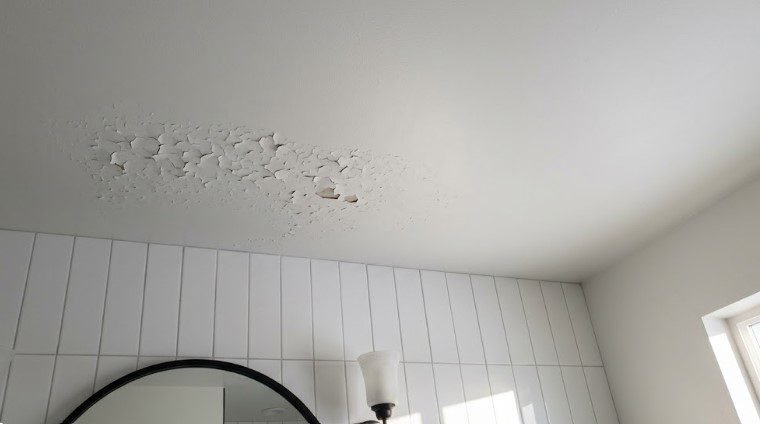
- Water stains: Don’t try to wash these off. A brown ring on a ceiling or wall means water got into the drywall. Find and fix the source, then seal the stain with a stain-blocking primer before repainting, or it will bleed straight through new paint. If it’s a bathroom ceiling, our post on why bathroom ceiling paint peels explains what’s usually going on.
Touch-Ups That Don’t Stand Out
Touch-ups “flash” (show as a different-looking patch) for a few reasons: the paint on the wall has aged, the new paint went on thicker, it was brushed onto a rolled surface, or the sheen doesn’t quite match.
To keep them invisible:
- Use paint from the original can, stirred thoroughly.
- Match the tool. If the wall was rolled, use a small roller with a similar nap, not a brush.
- Apply a thin coat and feather the edges outward.
- On eggshell and glossier finishes, a large repair usually looks best if you repaint the whole wall corner to corner.
Write the brand, product line, color name or code, sheen and date on the lid of every leftover can. And store it indoors. Latex paint can be ruined by freezing, and plenty of Utah garages drop below freezing in winter.
Everyday Habits That Protect Your Paint
- Bathrooms: Run the exhaust fan during showers and for a while afterward. In bathrooms and laundry rooms, a mold-resistant paint makes cleaning easier and holds up better.
- Furniture: Felt bumpers on chair backs and door stops behind doors prevent most dents and scuffs.
- Sun: Strong afternoon sun can fade some colors, especially bright reds and yellows. Blinds or curtains in sun-heavy rooms help. Our post on why paint fades explains which colors are most at risk.
- Art and mirrors: Adhesive hooks can lift paint when removed. Pull them slowly, straight down along the wall.
When Cleaning Won’t Fix It
Some problems don’t wash away. It’s time to repaint when you see:
- Peeling or flaking paint
- Cracks running along drywall seams or corners
- Large areas that have gone shiny from repeated scrubbing
- Stains bleeding through the paint
- Color that has faded unevenly across a wall
A good repaint is mostly preparation. Our guide to preparing walls for painting shows the steps we follow, and our interior painting page explains how we run a project.
Ready for a Fresh Coat?
Our Salt Lake crews do the prep most painters skip, so the finish lasts. Every job is backed by a 9-year craftsmanship guarantee.
- 9-year guarantee
- Licensed, bonded & insured
- on Google
Frequently Asked Questions
How soon can I wash a freshly painted wall?
Wait until the paint has cured, not just dried. Paint can feel dry within hours but takes much longer to reach full hardness. Many manufacturers suggest waiting a few weeks before washing, so check the can or data sheet for your product.
Can I use a magic eraser on painted walls?
Carefully. Melamine sponges are mildly abrasive. They remove scuffs well on satin and semi-gloss paint, but on flat or matte paint they can leave a shiny spot. Test in a hidden area and use light pressure.
Why does my touch-up look different from the rest of the wall?
Usually the sheen doesn’t match. Fresh paint reflects light differently from paint that has aged, especially on eggshell and glossier finishes, and brushing over a rolled wall changes the texture. Thin coats, the same type of applicator and feathered edges help. Larger repairs look best when the whole wall is repainted.
How long does interior paint last?
It depends on the room. Bedrooms and living rooms can look good for many years, while hallways, kitchens and kids’ rooms show wear much sooner. Repaint when cleaning no longer restores the finish or the color has faded unevenly.
Should I keep leftover paint?
Yes, for touch-ups. Seal the lid tightly, label it with the room, color and sheen, and store it indoors where it won’t freeze. If you won’t use it, Salt Lake County lets you put fully dried latex paint in the trash and takes oil-based paint at its household hazardous waste facilities.